Contents
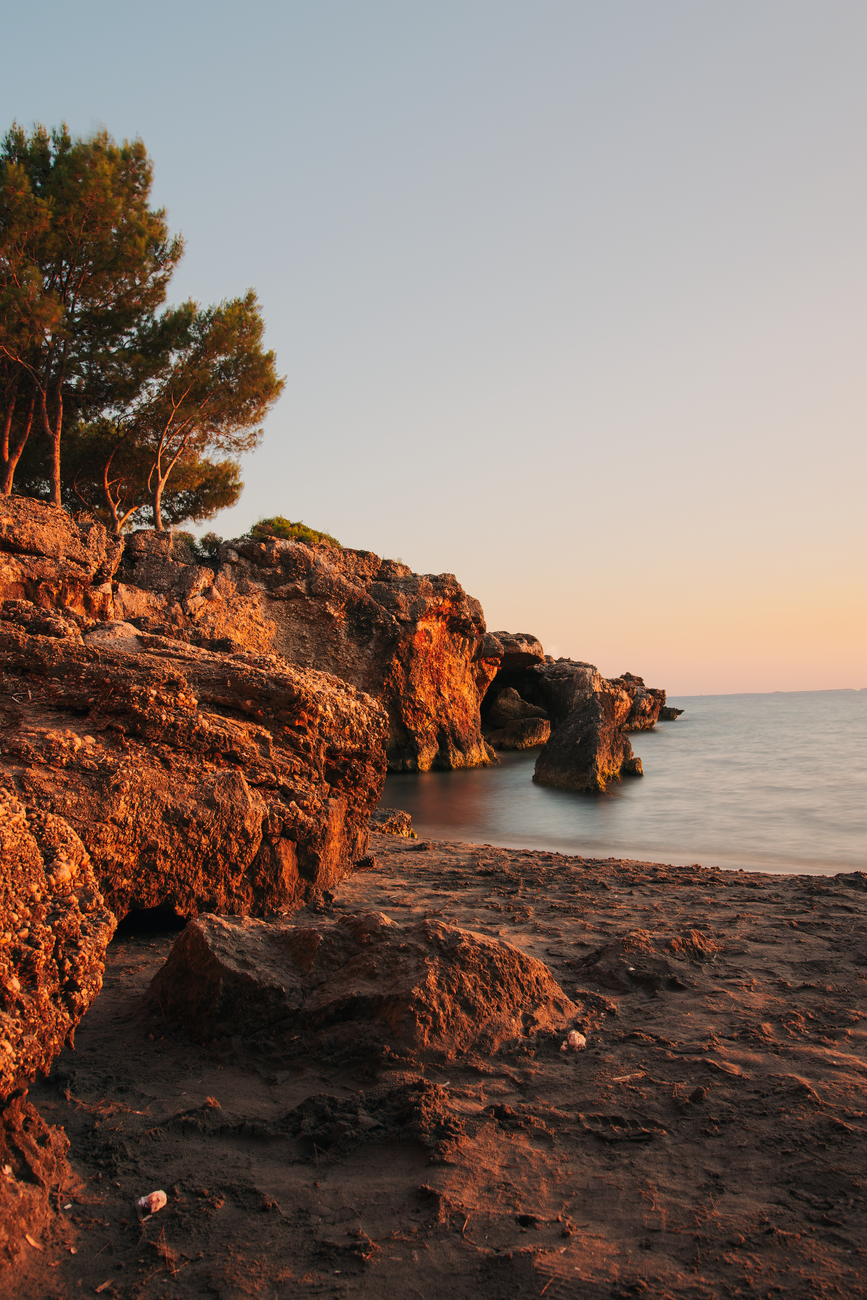
The Mani Peninsula represents the starkest, most poetic edge of mainland Greece. Where the Taygetos mountains plunge into the Mediterranean, resilient trees cling to limestone crags.
1. The Stone Towers of Southern Greece
In villages like Vathia, fortified tower houses rise like stone sentinels against the horizon. For centuries, these structures shielded families during turbulent clan conflicts. Today, their weathered limestone radiates midday warmth long after the sun dips beneath the Ionian sea.
We stayed in a restored olive-press house converted into a minimalist sanctuary where the ocean breeze billows through hand-spun linen curtains.
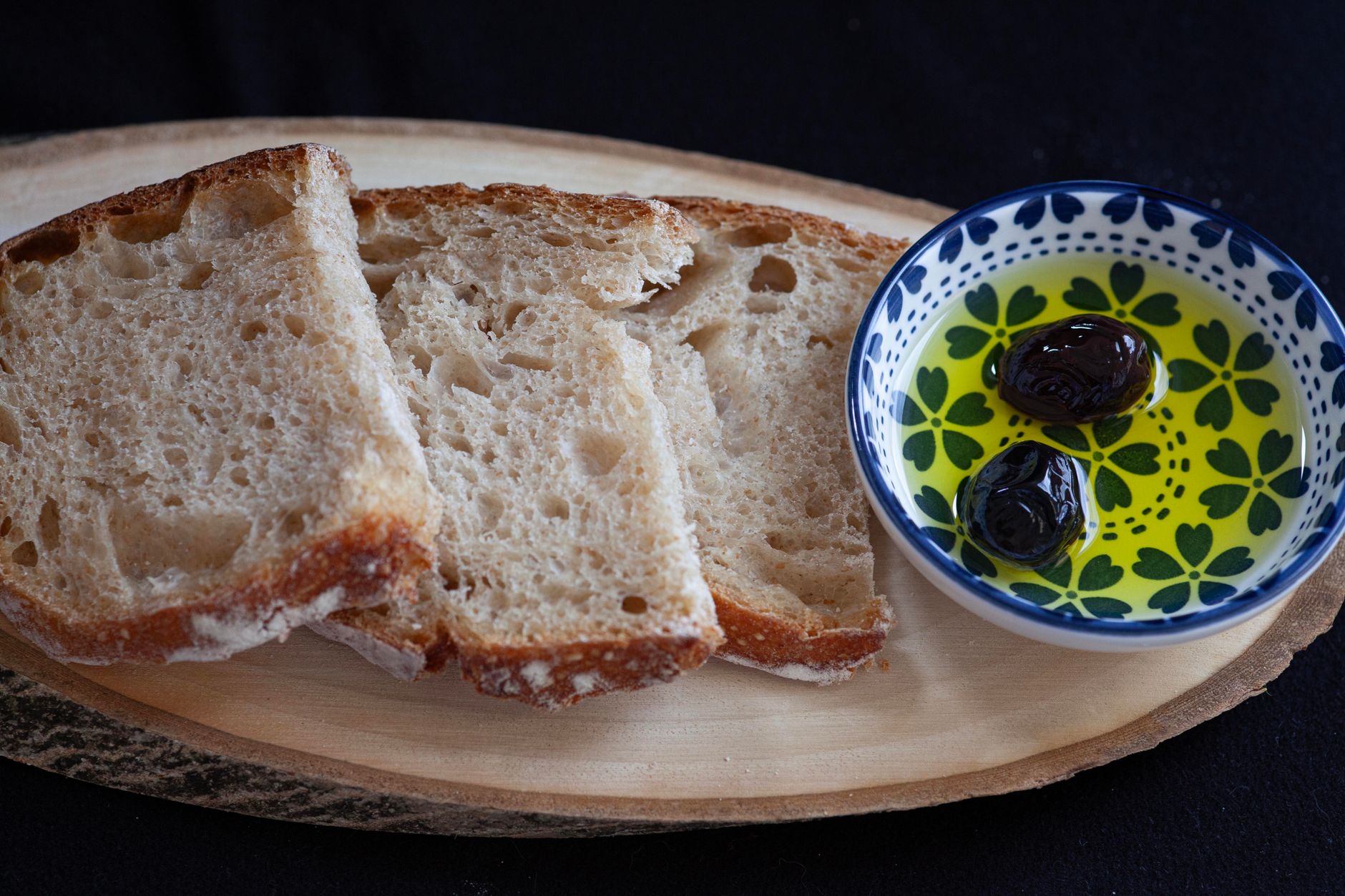
Freshly harvested ingredients and extra-virgin cold pressed olive oil.
2. Cold-Pressed Olive Gold and Bitter Herbs
The olive varieties of Mani, particularly the small Koroneiki, produce an oil of vibrant emerald hue with notes of green almond and wild thyme. Visiting family groves where trees have yielded fruit for four centuries reawakens respect for traditional agriculture.
At lunch beside tiny cove harbors, warm sourdough is accompanied solely by sea salt scooped from nearby volcanic rocks, wild mountain oregano, and a pour of fragrant oil.
3. Aegean Salt and Coastal Solitude
Evenings along the southern coast of the Peloponnese possess an arresting quiet. Far removed from resort infrastructure, the only sound is the rhythmic heave of the sea against limestone caves.
Interested in a Greek Gastronomy Expedition?
Connect with our editors to build a customized route highlighting historic presses and seaside family tavernas.
Plan With Us