Contents
To step into northern Kyoto during early morning rain is to witness landscape dissolve into soft wash monochrome. Here, wood, mist, and stone speak in hushed cadences.
1. The Ryokan as a Frame for Contemplation
In the valley of Kurama, wooden corridors of historic inns creak gently under soft tatami slippers. Unlike hotels designed to sequester the guest from surrounding geography, traditional ryokan architecture frames nature through sliding shoji screens. Every opening becomes a living painting.
We spent three nights observing the rain gathering on slate garden lanterns. The simplicity of polished hinoki cedar baths infused with spring mountain water establishes an immediate deceleration of heart and mind.
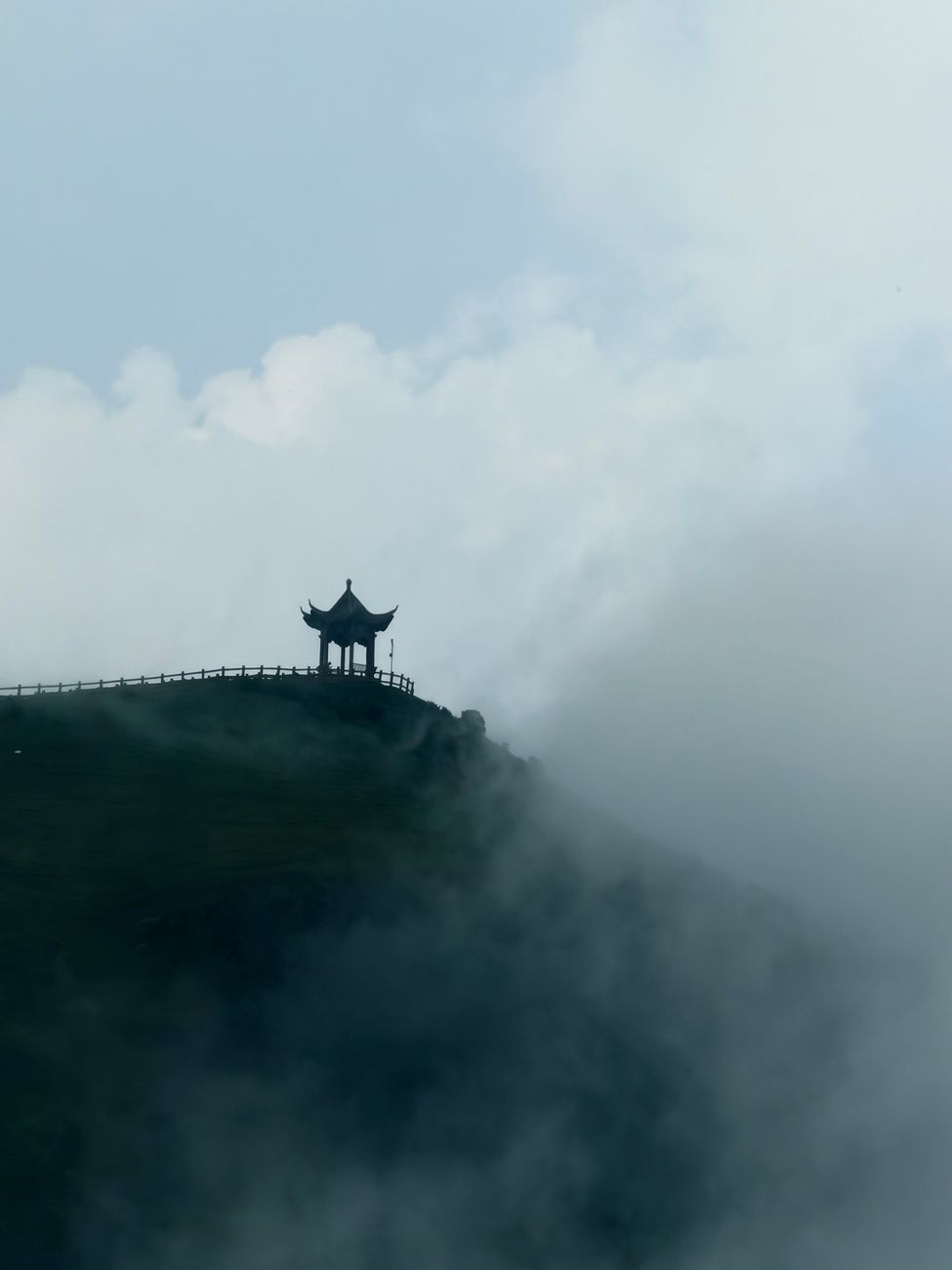
The mist settles over ancient cedar peaks north of Kyoto.
2. Following the Cedar Trails of Kitayama
Beyond the bustling gates of Arashiyama lies the revered Kitayama forest, renowned for centuries for straight-trunked timber utilized in imperial tea houses. Walking the mossy paths beneath hundred-year-old trees provides a rare perspective on long-term human forestry.
Local arborists continue to prune these branches by hand, treating each trunk with reverence. To explore these trails is to remember that beauty is often the residue of extreme patience and quiet discipline.
3. Kaiseki and Seasonal Truth
Dinner in the mountains is an exercise in micro-seasonality. Hand-harvested mountain greens, simmered bamboo shoots, and clear dashi broth celebrate the precise day of the year. There are no imported distractions; what is served belonged to the soil merely hours earlier.
Wish to Experience this Kyoto Expedition?
Allow our atelier to arrange your stay in secluded temple retreats and cedar ryokans with personalized care.
Design Your Journey